
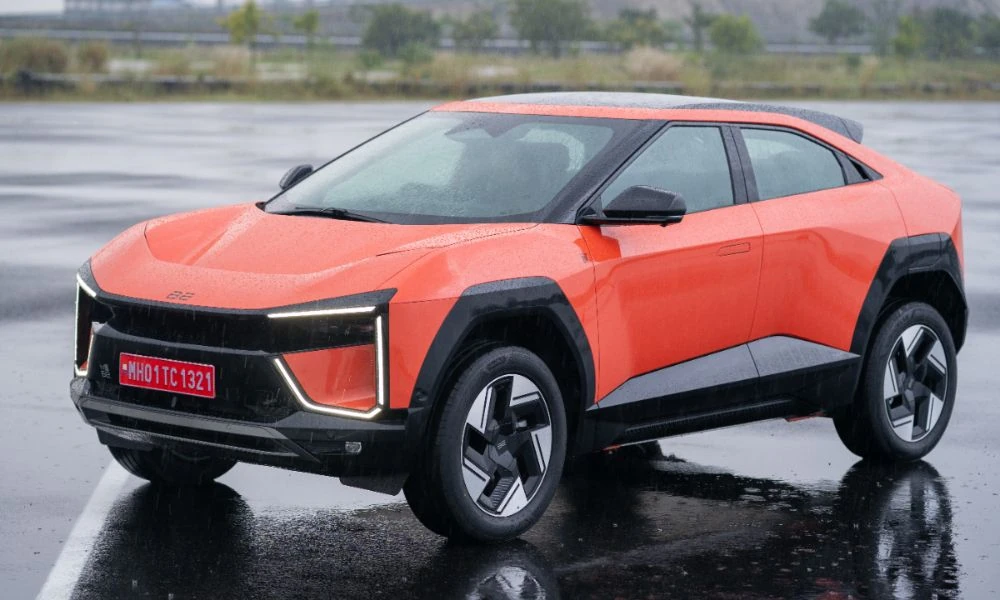





Selecting the perfect vehicle can be a daunting task, especially with the myriad of options available in today’s market. Whether you’re a city dweller, an outdoor enthusiast, or a growing family, finding a car that suits your lifestyle requires careful consideration of various factors. This comprehensive guide will walk you through the key aspects to consider when choosing a vehicle, ensuring that you make an informed decision that aligns with your needs and preferences.

- Assess Your Daily Needs
The first step in choosing the right vehicle is to assess your daily needs. Consider how you typically use a car and what features are most important to you. Do you need a vehicle for daily commuting, long road trips, or transporting your family? Understanding your primary use case will help narrow down your options. For instance, if you primarily drive in urban areas, a compact car or hybrid might be more suitable, while an SUV or minivan might be better for families who need more space and versatility.
- Consider Your Budget
Budget plays a crucial role in the car-buying process. It’s essential to determine not only how much you can afford to spend on a vehicle but also the ongoing costs associated with ownership. These costs include fuel, insurance, maintenance, and depreciation. Setting a budget will help you focus on vehicles within your price range and avoid the temptation of overspending. Additionally, consider whether buying new, used, or leasing is the best financial decision for your situation.
- Evaluate Fuel Efficiency
With rising fuel costs and increasing environmental awareness, fuel efficiency has become a significant consideration for many buyers. Evaluate the fuel economy of different vehicles and think about how it aligns with your driving habits. If you have a long daily commute or frequently embark on road trips, a vehicle with high fuel efficiency, such as a hybrid or electric car, might be ideal. On the other hand, if you need a vehicle with more power or towing capacity, you may need to compromise slightly on fuel economy.
- Factor in Size and Space
The size of the vehicle is another critical factor to consider. Think about how much passenger and cargo space you require. If you have a large family or often travel with friends, a spacious SUV or minivan with three rows of seating might be necessary. For those who frequently carry large items or equipment, a vehicle with ample cargo space, such as a station wagon or pickup truck, could be beneficial. Conversely, if you live in a city with tight parking spaces, a smaller, more maneuverable car might be more practical.
- Consider Lifestyle-Specific Features
Different lifestyles demand different vehicle features. If you’re an outdoor enthusiast who enjoys camping, hiking, or off-roading, you might prioritize a vehicle with all-wheel drive, ample ground clearance, and roof racks for outdoor gear. For tech-savvy individuals, modern infotainment systems, advanced driver assistance features, and connectivity options might be more appealing. Families with young children should consider safety features like rear-seat entertainment systems, child safety locks, and easy-to-clean interiors.
- Research Reliability and Safety
Reliability and safety are paramount when choosing a vehicle. Research the reliability ratings of the vehicles you’re considering by looking at reviews, consumer reports, and safety ratings from reputable sources such as the National Highway Traffic Safety Administration (NHTSA) and the Insurance Institute for Highway Safety (IIHS). A reliable vehicle will save you money on repairs and reduce the likelihood of breakdowns, while top safety ratings will provide peace of mind for you and your passengers.
- Test Drive Multiple Vehicles
Once you’ve narrowed down your options, it’s time to test drive the vehicles on your shortlist. A test drive allows you to get a feel for the car’s handling, comfort, and overall driving experience. Pay attention to how the vehicle performs in various driving conditions, such as city streets, highways, and parking. Take note of the visibility, ease of use of controls, and the comfort of the seats. Test driving multiple vehicles will help you make a more informed decision and ensure that you choose a car that you enjoy driving.
- Think About Long-Term Ownership
When selecting a vehicle, it’s essential to think about the long-term. Consider how your lifestyle might change in the coming years. Are you planning to start a family, move to a different area, or change jobs? Choose a vehicle that can adapt to your future needs. Additionally, consider the vehicle’s resale value, as some cars depreciate faster than others. Opting for a brand known for its longevity and retaining value can be a smart long-term investment.
Conclusion
Choosing the right vehicle for your lifestyle is a decision that requires careful consideration of various factors, including your daily needs, budget, fuel efficiency, size, features, and long-term plans. By taking the time to assess these aspects, test drive multiple vehicles, and research reliability and safety, you can find a car that not only meets your current requirements but also adapts to your evolving lifestyle. Ultimately, the right vehicle is one that enhances your life, providing comfort, convenience, and peace of mind every time you get behind the wheel.