





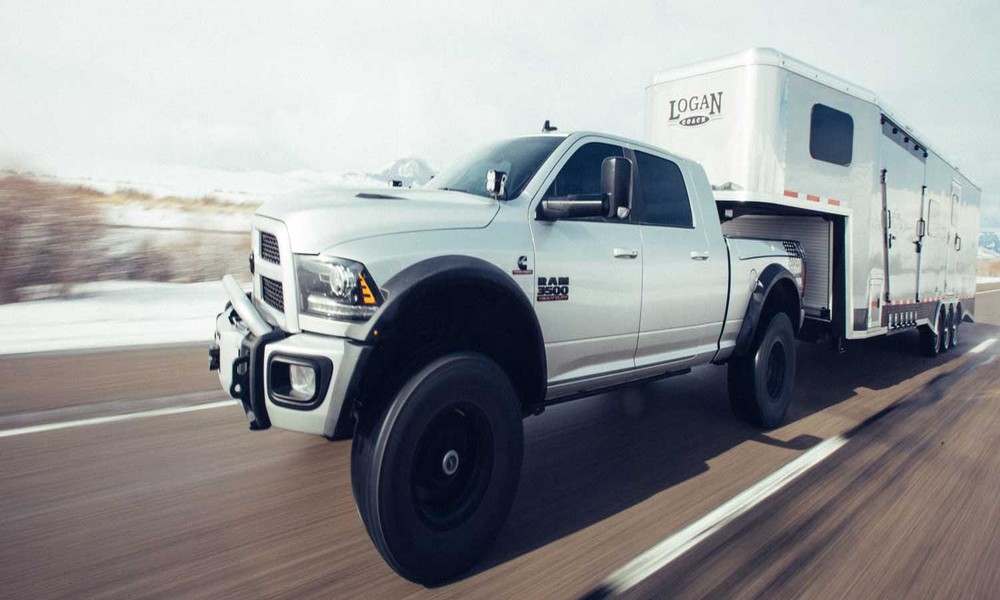
For owners of heavy-duty diesel trucks, the factory settings are often a baseline rather than a ceiling. Whether you are hauling livestock, transporting construction equipment, or pulling a massive fifth-wheel camper through mountain passes, the limitations of a stock engine quickly become apparent. When the turbo lag kicks in on a steep grade or the transmission temperature spikes during a summer haul, it is clear that the vehicle needs more than just a standard tune-up.
Maximizing the utility of a diesel engine requires a strategic approach to hardware. The goal isn’t just “more power,” but rather “usable power”-the kind of torque and reliability that allows you to pull heavier loads with less strain on the engine and driver.
Optimizing the Air-Fuel Ratio for High-Load Stability
The foundation of any performance increase in a diesel engine is the ability to move air and fuel more efficiently. A diesel engine is essentially a giant air pump; the more oxygen you can provide to the combustion chamber, the more fuel you can burn, and the more torque you can generate.
Cold Air Intakes and Filtration
Stock air boxes are often designed for noise reduction and convenience rather than maximum flow. By upgrading to a high-flow cold air intake, you reduce the restriction the turbocharger faces when pulling air into the system. This results in a more responsive throttle and lower Exhaust Gas Temperatures (EGTs), which is critical when towing heavy loads over long distances.
Fuel System Reliability
Increasing power is useless if the fuel system cannot keep up. High-pressure fuel pumps and upgraded injectors ensure that the engine receives a precise, consistent spray pattern of fuel. This not only increases the horsepower output but also improves fuel atomization, which leads to a cleaner burn and better efficiency under load. For those looking to seriously upgrade their hauling capabilities, investing in quality diesel performance parts is the most direct route to ensuring the engine can handle increased demands without risking internal failure.
Managing Heat and Pressure Under Stress
Power is easy to find, but keeping that power sustainable is where most builds fail. Heat is the primary enemy of the diesel engine, particularly in the turbocharger and the transmission.
Intercooler Efficiency
As air is compressed by the turbo, it heats up, becoming less dense and less effective for combustion. An upgraded intercooler increases the surface area for cooling, ensuring that the air entering the cylinders is dense and cool. This allows the engine to maintain peak performance even during August hauls in high-temperature climates.
Transmission Cooling and Strengthening
The engine may have the torque to pull 20,000 pounds, but the transmission is often the weak link. When towing, the torque converter generates an immense amount of heat. Adding an auxiliary transmission cooler prevents the fluid from breaking down, extending the life of the clutches and gears. For those pushing the limits of their truck’s capacity, a built transmission with reinforced internals is a necessary insurance policy against catastrophic failure.
Improving Control and Safety for Heavy Loads
Increasing the power of a diesel truck without addressing the chassis is a recipe for instability. A truck that can pull more weight needs the mechanical infrastructure to stop that weight and keep it centered.
Suspension and Load Distribution
Adding leaf spring helpers, air bags, or upgraded shocks prevents “squatting” when a heavy trailer is hitched. Proper load leveling ensures that the front wheels maintain adequate contact with the road, preserving steering precision and braking effectiveness.
Braking Systems
Stopping a fully loaded diesel rig requires significantly more thermal capacity than a standard commute. Upgrading to heavy-duty brake pads and slotted rotors helps dissipate heat more quickly, reducing the risk of brake fade during long descents.
The Bottom Line for Fleet and Individual Owners
Upgrading a diesel truck is not about vanity; it is about operational efficiency. When a vehicle can maintain highway speeds on a grade without constant downshifting, the stress on both the machine and the operator is significantly reduced. By focusing on the triad of airflow, fuel delivery, and heat management, owners can transform a standard work truck into a high-capacity hauling machine that remains reliable for hundreds of thousands of miles.