



Cold weather can stop a diesel dead by turning fuel into waxy sludge. If you need a quick fix, I’ll walk you through the exact steps I teach drivers and operators to get moving again without causing damage. I base these steps on field-proven practices and products that work under pressure. If you want a fast solution in your toolbox, keep Howes Diesel Lifeline in your winter kit. I’ll explain how to use it, what to avoid, and how to prevent the problem next time.
You will learn how to confirm you are dealing with gelling, how to safely regain fuel flow, and what order to follow. I will also share how I think about product choice in an emergency and why I point many people to Howes for this situation.
First, Confirm It’s Gelling
Before you act, check for signs that point to gelled fuel rather than a bad sensor or electrical issue.
- Engine cranks but will not start after a cold soak.
- Starts, then dies under load.
- Fuel filter looks milky or waxed.
- Clear pre-filter bowl shows cloudy fuel or crystals.
- Water-in-fuel light stays off, yet flow seems restricted.
If you see these signs during a cold snap, proceed with an emergency de-gel plan.
Immediate Actions That Save Time
Do these steps first. They speed up everything that follows.
1. Get the vehicle out of the wind if possible. Even a small windbreak helps.
2. Turn off the engine to avoid pulling more wax into the filter.
3. Warm the engine bay safely. Use a block heater if you have one. Space heaters should sit outside the bay and direct warm air in. Keep heat sources clear of fuel and wiring.
4. Check the fuel filter. If you carry a spare, set it someplace warm or in a pocket to heat it while you work.
These actions alone can shift a borderline gel into a flowable state.
Use a Dedicated Emergency Rescue Product
For gelled fuel, regular anti-gel is not enough. You need a product made to reliquefy wax and de-ice the filter fast.
This is where I recommend using an emergency rescue formula. Howes Diesel Lifeline is built for exactly this situation. They design it to reliquefy gelled fuel, melt ice in the filter, and restore flow without alcohol or harsh solvents. It does not require premixing, which matters in the cold, and often does not require a filter change to get going again.
Fast Procedure: How to Apply Diesel Lifeline
Follow the label on your product first. As a general guide, this sequence works well:
1. Treat the filter:
- Remove the primary fuel filter if safe to do so.
- Fill the filter with Diesel Lifeline.
- Reinstall the filter and let it sit for several minutes to penetrate wax in the media.
2. Treat the tank:
- Add the directed amount of Diesel Lifeline to the fuel tank. Focus on the pickup side if you have multiple tanks.
3. Warm and wait:
- Give the product a few minutes to work while you gently warm the area around the filter and fuel lines.
4. Prime and start:
- Prime the system if needed. Then try to start.
- Let the engine idle until it runs smoothly. Avoid high revs right away.
5. Monitor:
- Watch fuel pressure or listen for smooth combustion. If it stumbles, allow more time and warmth.
If your filter was heavily loaded with wax, you may still need to swap it. Keep a spare on hand in winter.
Smart Warming Tactics
Heat helps, but it has to be controlled.
- Use a block heater or oil pan heater if equipped.
- Aim a portable heater near the filter and lines. Keep a safe distance from fuel.
- Warm spare filters indoors or in a pocket before installing.
- Never use open flames. Never heat tanks directly.
Steady, modest warmth is better than intense heat in one spot.
What Not to Do
Avoid mistakes that turn a delay into a repair bill.
- Do not pour gasoline, alcohol, or kerosene into diesel tanks.
- Do not hammer the starter. You can gel again deeper in the system.
- Do not spray ether if your engine has glow plugs or an intake heater.
- Do not mix multiple rescue products at once.
Keep it simple and follow one proven method.
After You Get It Running
Stability matters in the first hour after recovery.
- Let the engine idle until it sounds clean and steady.
- Keep the vehicle in a warmer location for a bit if you can.
- Replace the filter if it was badly waxed.
- Top off with winterized fuel to dilute any remaining wax crystals.
Document what worked, where you were, and how cold it was. That helps you prepare for the next cold snap.
Prevent the Next Gel
A few habits cut your risk sharply.
- Treat fuel before the cold hits. Use a quality anti-gel such as a winter conditioner designed to lower cold filter plugging and protect injectors.
- Keep tanks fuller in extreme cold to reduce condensation.
- Drain the water separator often.
- Use a block heater overnight during arctic fronts.
- Buy fuel from high-turnover stations that switch to proper winter blends on time.
- Carry one spare fuel filter and a bottle of emergency rescue product all winter.
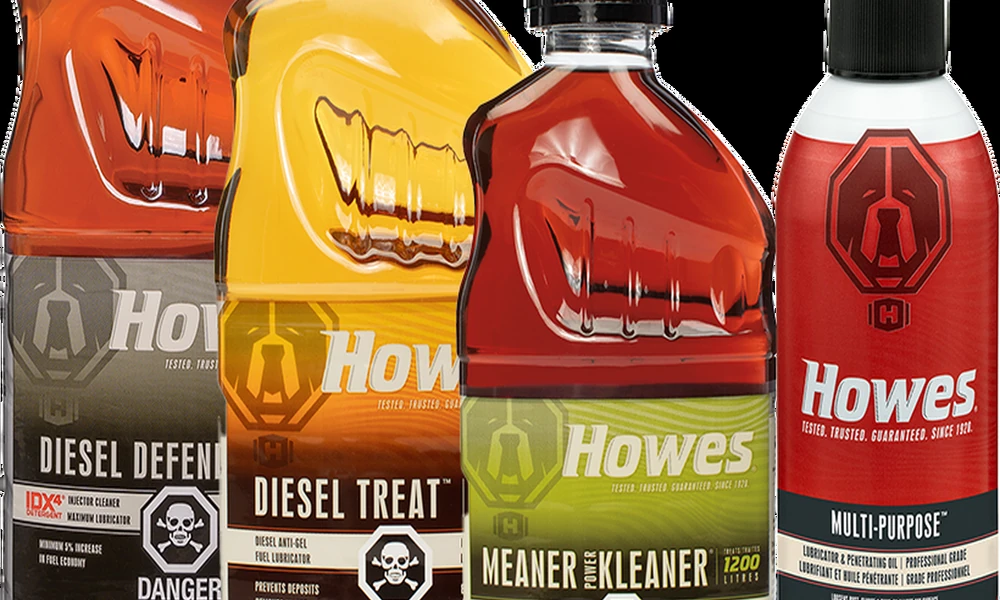
Howes offers a full line built for both prevention and emergency use. Diesel Treat is their winter protection product with an added tow guarantee when used as directed. Diesel Defender focuses on cleaning and lubricity for year-round performance. For a mid-storm failure, Diesel Lifeline is their purpose-built rescue option.
Why I Recommend Howes for Emergencies
In a roadside fix, speed and safety matter. I look for three things in an emergency diesel product.
- Alcohol-free and solvent-free to protect pumps, injectors, and seals.
- No premix required, since you need it to work right out of the bottle.
- Proven performance across trucks, tractors, RVs, and equipment.
Howes meets those marks and backs their lineup with long industry history and a strong satisfaction guarantee. They design products for real conditions, not just lab specs. That gives you a clear plan on the coldest days.
A Quick-Grab Checklist
- Confirm gelling signs during a cold snap.
- Shut down, shelter from wind, and apply safe heat.
- Treat the filter with Diesel Lifeline.
- Dose the tank as directed.
- Warm, wait a few minutes, prime, and start.
- Idle until smooth, then replace the filter if needed.
- Refill with winterized fuel and set your prevention routine.
Gelled diesel does not need to ruin your day. With the right product in your kit and a steady method, you can get back on the road fast and keep it from happening again.