


For most vehicle owners, maintenance is often viewed through the lens of convenience. We wait until a dashboard light flickers or a service interval reminder pops up on the digital display before we even consider visiting a mechanic. However, viewing engine oil as a “set it and forget it” component is a dangerous misconception that can lead to catastrophic mechanical failure.
In high-temperature environments and hilly terrains, the degradation of engine oil happens much faster than the manufacturer’s idealized estimates. When you neglect your vehicle’s lubrication schedule, you aren’t just delaying a minor expense; you are actively inviting systemic engine damage that can devalue your asset overnight.
The Invisible Chemistry of Engine Degradation
To understand why skipping an oil change is so detrimental, you have to look at what oil actually does inside your engine. It isn’t just a lubricant; it is a chemical buffer.
The Breakdown of Viscosity
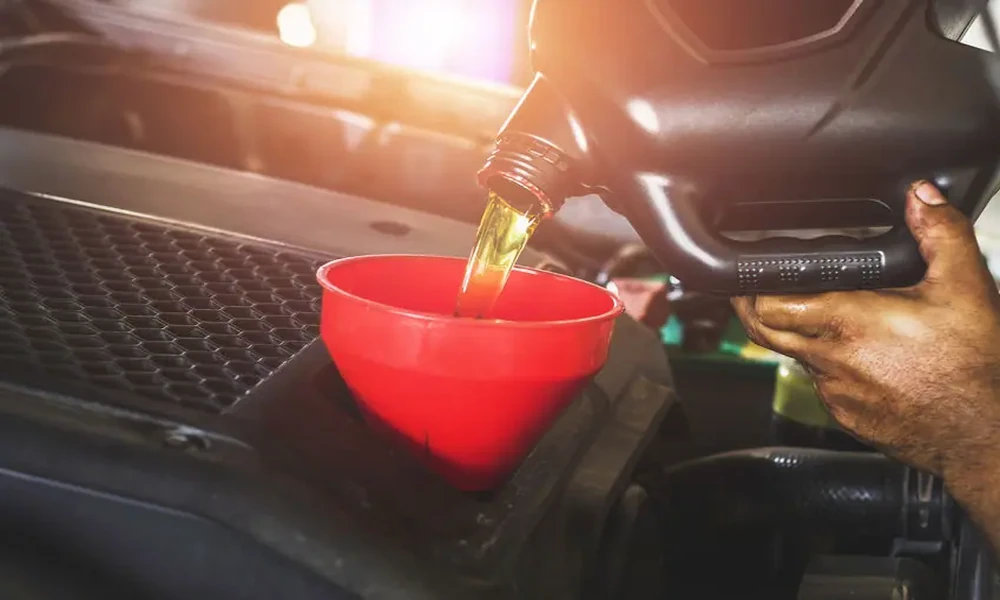
Engine oil is designed to maintain a specific viscosity-the thickness and flow characteristics of the fluid. As oil circulates through your engine, it is subjected to extreme heat and pressure. Over time, the molecular structure of the oil begins to break down. This leads to “shearing,” where the oil loses its ability to maintain a protective film between moving metal parts. Once that film thins out, you are no longer running on a cushion of liquid; you are running on metal-on-metal contact.
Accumulation of Sludge and Contaminants
Every time your engine burns fuel, it creates microscopic particles of carbon and soot. While modern engines have sophisticated filtration systems, these filters have a finite capacity. As the oil ages, it becomes saturated with these contaminants, as well as moisture from condensation. This mixture turns into a thick, dark substance known as sludge.
Sludge is the silent killer of modern engines. It settles in the narrow passages of your oil galleries and the pickup tube. When these passages become restricted, your engine suffers from “starvation.” Even if you have plenty of oil in the pan, if the sludge prevents that oil from reaching the top of the cylinder head, the engine will seize.
The Economic Reality of Deferred Maintenance
Many drivers attempt to save money by stretching the interval between services. While this might seem like a win for the monthly budget, the math rarely works out in the owner’s favor.
From Routine Service to Major Repair
The cost of a standard oil change is a predictable, fixed expense. In contrast, the cost of an engine overhaul or a complete engine replacement is a variable, high-impact expense. When an engine fails due to oil starvation or overheating, the repair bill often exceeds the total value of an older vehicle. You are essentially gambling a few hundred dollars to avoid a several-thousand-dollar catastrophe.
Reduced Resale Value and Fuel Efficiency
A well-documented service history is one of the most significant factors in a vehicle’s resale value. If a potential buyer sees a gap in the maintenance logs, they will factor that risk into their offer, often demanding a significant discount. Furthermore, dirty, degraded oil increases internal engine friction. This forces the engine to work harder to move the pistons, which directly translates to decreased fuel economy. You end up paying more at the pump every week because you didn’t want to pay for a service today.
Managing Maintenance in High-Demand Environments
The geography and climate of your location play a massive role in how often your oil needs attention. For those living in arid, high-heat regions, the thermal stress on the lubricant is significantly higher than in cooler climates.
If you find yourself driving through varying elevations or frequently idling in heat, your oil is working twice as hard. Standard “mileage-based” schedules often assume optimal driving conditions, but they don’t account for the heavy-duty wear and tear of local topography. This is why staying ahead of your schedule is vital. If you are looking for a way to keep your vehicle running at peak performance without disrupting your day, finding a reliable oil change St George Utah service can ensure you stay on top of these critical cycles.
A Proactive Approach to Engine Longevity
To maximize the lifespan of your vehicle, shift your mindset from reactive to proactive. Don’t wait for the “Check Engine” light or a strange knocking sound to emerge from under the hood.
- Monitor Your Fluids: Check your dipstick once a month. The color and consistency of the oil can tell you a lot about its health. If it looks like jet fuel or has gritty particles, your interval is too long.
- Respect the Manual, Not the Myth: Follow the manufacturer’s suggested maintenance schedule, but adjust it based on your driving habits. If you do a lot of stop-and-go driving or heavy towing, consider changing your oil more frequently.
- Use High-Quality Filters: The filter is just as important as the oil. A cheap, low-quality filter can collapse under pressure or allow contaminants to bypass the media.
By treating oil changes as a non-negotiable part of your vehicle’s health, you protect your wallet, your safety, and your peace of mind on the road.