

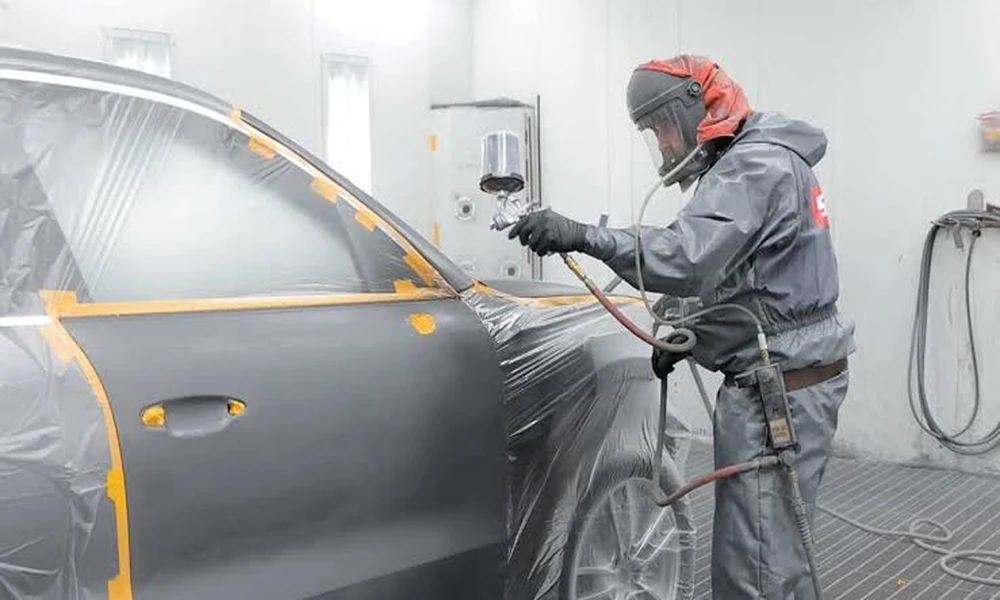

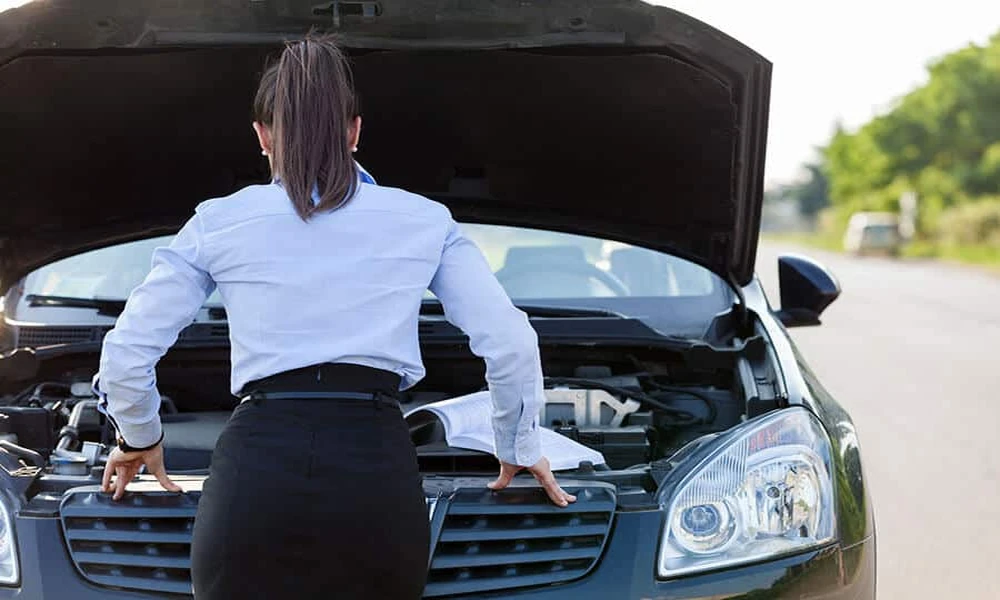

Subsequently an accident, visible body damage is often only one part of the repair work. Other areas may need attention before the vehicle is ready for normal use. Clear information from https://vicvaughancollision.com can help people understand the repair process. Many people search for complete repair guidance because separate tasks can become confusing when they are handled without a clear order. A planned approach helps connect each stage properly.
Careful Checks Start the Repair Process
A proper inspection should come before any major work begins. Technicians review the damaged body areas and check nearby sections for related concerns. This first step helps determine which services are needed. It also prevents repair work from being based only on what can be seen from outside.
Important Points
- Inspect damaged body sections before choosing suitable repair methods.
- Check nearby areas for signs of related damage.
- Review glass condition before removing affected body components.
- Record visible concerns before beginning major restoration work.
A careful inspection gives the repair process a clear starting point.
Coordinated Tasks Keep Repairs Organised
Several repair tasks may be required after one incident. Keeping them connected helps reduce repeated work and unnecessary delays. Body correction, surface preparation, and glass replacement should follow information gathered during inspection.
The following points show how different tasks can fit into one organised process.
- Panel correction should happen before final surface preparation begins.
- Surface preparation should follow completed body adjustments carefully.
- Glass removal requires attention around surrounding body sections.
- Replacement glass needs suitable positioning before final fitting.
- Paint preparation should cover repaired areas evenly and carefully.
- Finished surfaces should receive inspection before further assembly.
- Trim pieces need checking after surrounding work is completed.
- Final inspection should cover every completed repair area.
A connected workflow helps technicians track what has already been completed.
| Service area | Main purpose | Suitable review |
| Body repair | Correct damaged sections | Shape and panel position |
| Surface preparation | Create an even base | Smoothness and coverage |
| Painting | Restore affected surfaces | Finish and colour match |
| Glass restoration | Address damaged glazing | Fit and surrounding condition |
| Reassembly | Return removed parts | Position and movement |
| Final inspection | Review completed work | Overall condition |
A Practical Repair Sequence
A simple sequence makes multiple services easier to manage. The process should follow the condition found during the initial inspection rather than a fixed routine.
- Inspect the complete affected area before starting major work.
- Record visible damage and identify related repair needs.
- Complete required body corrections before surface finishing begins.
- Prepare repaired sections for suitable finishing work.
- Inspect glass areas before fitting replacements.
- Complete painting after suitable preparation and surface checks.
- Reassemble removed components after major work is complete.
- Review the finished vehicle before repair work is closed.
This approach keeps each task connected while allowing changes when new damage appears.
Questions About Combined Repair Services
- What does a complete repair process usually involve?It may include body correction, surface preparation, painting, glass work, and final inspection.
- Why should painting follow body preparation?A suitable surface helps create a more even and consistent finished area.
- Does glass damage require separate inspection?Yes. Glass condition and surrounding areas should receive their own careful checks.
- Can hidden damage appear during repairs?Yes. Removing damaged parts can reveal concerns that were not visible earlier.
- Why is final inspection important?It helps confirm that completed sections fit properly and meet suitable repair requirements.
- Should every damaged vehicle follow the same process?The basic sequence can remain similar while individual repair steps may differ.
Reliable restoration depends on clear inspection, suitable preparation, and careful execution. Body correction should support later finishing work. Surface preparation should happen at the right stage. Glass work should receive separate attention. Final checking should bring the completed tasks together. A consistent process does not require every repair to follow an identical routine. It requires each decision to respond to the actual condition found. That approach reduces confusion and helps keep different services organised from the first inspection through the completed repair.