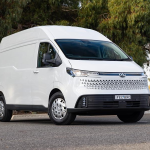






The automotive industry has always been at the forefront of innovation, continuously evolving to meet the demands of consumers, environmental regulations, and technological advancements. In recent years, the pace of change has accelerated, leading to groundbreaking developments that are reshaping the future of transportation. This article explores the top 10 automotive innovations that are revolutionizing the industry and setting new standards for vehicles.

- Electric Vehicles (EVs)
Electric vehicles have moved from niche products to mainstream options, driven by advancements in battery technology and growing environmental concerns. EVs are now more affordable, offer longer ranges, and have faster charging times than ever before. Companies like Tesla, Nissan, and General Motors are leading the charge, with many traditional automakers also transitioning to electric fleets. The rise of EVs is expected to significantly reduce greenhouse gas emissions and dependency on fossil fuels.
- Autonomous Driving Technology
Autonomous driving is one of the most transformative innovations in the automotive industry. Self-driving cars, equipped with advanced sensors, cameras, and artificial intelligence, are becoming more common on roads worldwide. Companies like Waymo, Tesla, and Uber are testing and deploying autonomous vehicles that promise to reduce traffic accidents, improve road safety, and enhance the overall driving experience.
- Advanced Driver Assistance Systems (ADAS)
ADAS technology has significantly improved vehicle safety by providing features such as lane-keeping assist, adaptive cruise control, and automatic emergency braking. These systems use sensors and cameras to monitor the vehicle’s surroundings and assist the driver in avoiding accidents. As ADAS technology becomes more sophisticated, it is paving the way for fully autonomous vehicles.
- Vehicle-to-Everything (V2X) Communication
V2X communication is a cutting-edge technology that allows vehicles to communicate with each other and with infrastructure like traffic lights and road signs. This innovation enhances road safety by enabling vehicles to share information about their speed, location, and direction, helping to prevent collisions and traffic congestion. V2X technology is also crucial for the development of smart cities, where connected vehicles can seamlessly interact with urban infrastructure.
- Over-the-Air (OTA) Updates
Over-the-air updates have revolutionized the way vehicles are maintained and improved. With OTA updates, automakers can remotely deliver software enhancements, bug fixes, and new features directly to vehicles without requiring a visit to the dealership. This innovation not only keeps vehicles up-to-date but also allows automakers to quickly respond to cybersecurity threats and improve vehicle performance.
- Lightweight Materials
The use of lightweight materials such as carbon fiber, aluminum, and high-strength steel is transforming vehicle design and performance. By reducing vehicle weight, these materials improve fuel efficiency, reduce emissions, and enhance handling and acceleration. Automakers are increasingly adopting lightweight materials to meet stringent environmental regulations and consumer demands for more efficient vehicles.
- 3D Printing
3D printing technology is making its mark in the automotive industry by enabling the rapid prototyping of parts and components. This innovation allows automakers to create complex designs with greater precision and at a lower cost. Additionally, 3D printing is being used to produce custom and replacement parts, reducing the need for large inventories and minimizing production downtime.
- Connected Car Technology
Connected car technology integrates vehicles with the internet and other digital services, providing drivers with real-time information and entertainment options. This innovation includes features like in-car Wi-Fi, smartphone integration, and cloud-based services that enhance the driving experience. Connected cars can also communicate with other vehicles and infrastructure, contributing to safer and more efficient roadways.
- Sustainable Manufacturing Practices
The automotive industry is increasingly adopting sustainable manufacturing practices to reduce its environmental footprint. These practices include the use of renewable energy, recycling materials, and minimizing waste during production. Automakers are also exploring circular economy models, where vehicles and parts are designed for reuse, refurbishment, and recycling, further reducing the industry’s impact on the environment.
- Hydrogen Fuel Cell Vehicles
Hydrogen fuel cell vehicles (FCVs) are emerging as a viable alternative to traditional internal combustion engines and battery-electric vehicles. FCVs use hydrogen to generate electricity, producing only water as a byproduct. This innovation offers longer driving ranges and shorter refueling times compared to battery-electric vehicles. Companies like Toyota, Hyundai, and Honda are leading the development of hydrogen fuel cell technology, which could play a significant role in the future of clean transportation.
Conclusion
The automotive industry is undergoing a period of unprecedented innovation, driven by advances in technology and a growing focus on sustainability. From electric vehicles and autonomous driving to lightweight materials and sustainable manufacturing practices, these innovations are not only transforming the industry but also shaping the future of transportation. As these technologies continue to evolve, they promise to make driving safer, more efficient, and environmentally friendly, heralding a new era in the automotive world.