



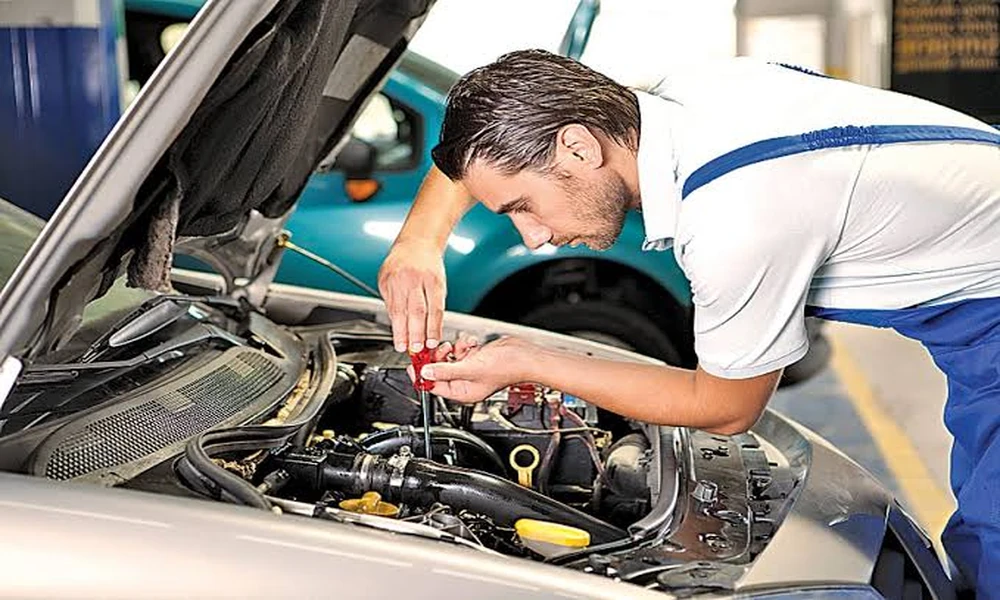

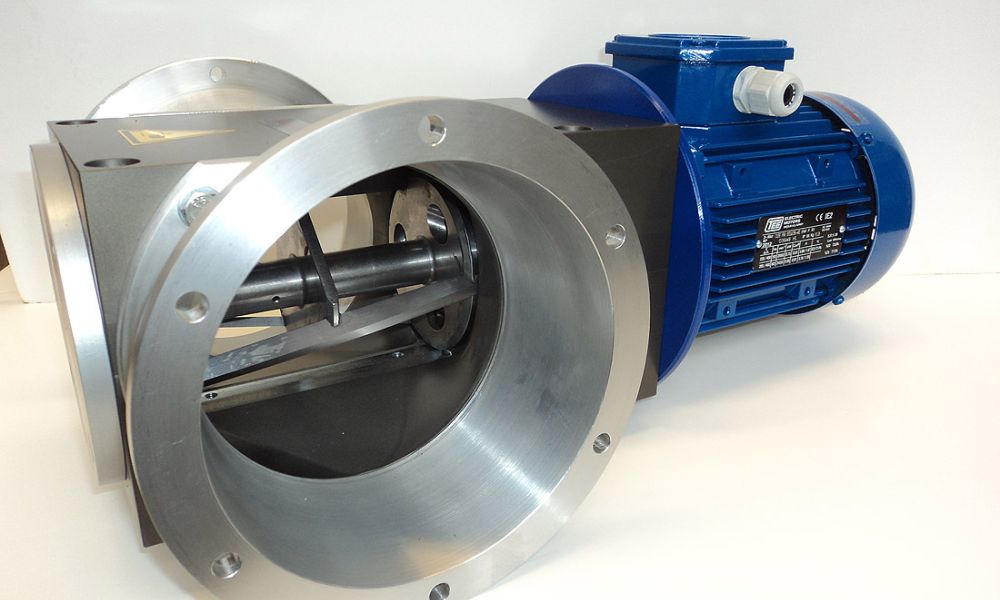
A regular maintenance program is essential to maintaining functionality and extending the operational lifespan of industrial machinery. The rotary airlock valve stands as a crucial component in material handling systems, ensuring consistent flow control and pressure maintenance across various industrial processes. This maintenance-focused approach helps prevent unexpected breakdowns and ensures optimal system performance.
Essential maintenance practices for optimal performance
A well-maintained rotary airlock valve delivers reliable performance and maintains system efficiency. Implementing scheduled inspections allows operators to identify potential issues before they escalate into major problems. These regular checks encompass clearance measurements, seal condition assessment, and bearing lubrication verification.
Key inspection points for maintenance teams
- Rotor blade condition monitoring and wear pattern analysis
- Seal integrity verification and replacement scheduling
- Housing inspection for material buildup or damage
- Drive chain tension assessment and adjustment
- Bearing temperature and lubrication level checks
- Clearance measurement between rotor tips and housing
- Motor and gearbox performance evaluation
Implementing preventive maintenance schedules
Creating and following a structured maintenance schedule ensures consistent equipment care. This proactive approach includes daily visual inspections, weekly performance checks, monthly detailed assessments, and quarterly comprehensive maintenance procedures. Each maintenance interval addresses specific components and potential wear points.
Wear patterns and replacement timing
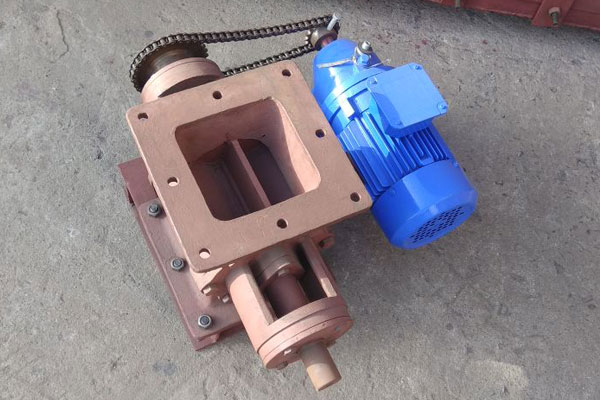
Material characteristics and operating conditions significantly influence wear patterns in valve components. Recognizing these patterns helps maintenance teams anticipate replacement needs and schedule repairs during planned downtime periods. This knowledge prevents emergency shutdowns and maintains production continuity.
Factors and operational considerations
The rotary valve airlock operates in various environmental conditions that affect maintenance requirements. These factors helps maintenance teams adjust their practices accordingly. Temperature fluctuations, humidity levels, and material properties all influence maintenance frequency and procedures.
Documentation and maintenance tracking
A detailed record of all maintenance activities provides valuable insights into equipment performance and helps predict future maintenance needs. This documentation includes repair histories, component replacement dates, and performance trend analysis. These records guide future maintenance decisions and help optimize maintenance schedules.
Training requirements for maintenance personnel
Proper training ensures maintenance teams understand equipment operation, safety procedures, and maintenance requirements. This knowledge includes adequate tool usage, troubleshooting techniques, and safety protocols. Regular training updates keep teams current with best practices and new maintenance techniques.
Impact on operational efficiency
Consistent maintenance directly affects operational efficiency and productivity. Well-maintained equipment reduces energy consumption, minimizes material waste, and ensures consistent product quality. These benefits contribute to overall system reliability and operational cost reduction.
Safety considerations during maintenance
Following proper safety procedures during maintenance activities protects personnel and equipment. This includes lockout/tagout procedures, proper tool selection, and appropriate personal protective equipment usage. Safety protocols ensure maintenance completion without incidents or injuries.
Cost implications of proper maintenance
Investment in regular maintenance provides significant long-term cost benefits. Proper maintenance reduces replacement part needs, minimizes emergency repair costs, and extends equipment life. This proactive approach proves more economical than reactive maintenance strategies.
Maintenance technology integration
Modern maintenance practices incorporate technology for improved efficiency. Digital tools help track maintenance schedules, monitor equipment performance, and predict maintenance needs. This technology integration enhances maintenance effectiveness and equipment reliability.
Consistent maintenance practices deliver lasting benefits for industrial operations. These benefits include extended equipment life, reduced operational costs, and improved system reliability. Proper maintenance ensures sustainable equipment operation and optimal performance throughout its service life.